Blogs

How Packaging Influences Consumer Purchasing Decisions in the Wellness Supplement Industry
Walk down the supplement aisle of any pharmacy, grocery store, or health food retailer, and you’ll see hundreds of products competing for attention. Many offer similar ingredients, comparable formulations, and equivalent health claims. Yet consumers consistently choose one brand over another. Why? While factors such as price, ingredients, and brand reputation certainly influence purchasing decisions, […]
How Packaging Influences Purchasing Decisions in the Pharmaceutical and Healthcare Industries
Packaging is often viewed as a regulatory requirement in the pharmaceutical industry. It protects the product, communicates critical information, and supports compliance. But packaging design does much more than satisfy regulatory standards, it also influences consumer behavior and shapes purchasing decisions. Whether the customer is a hospital procurement team, a pharmacist selecting between suppliers, or […]
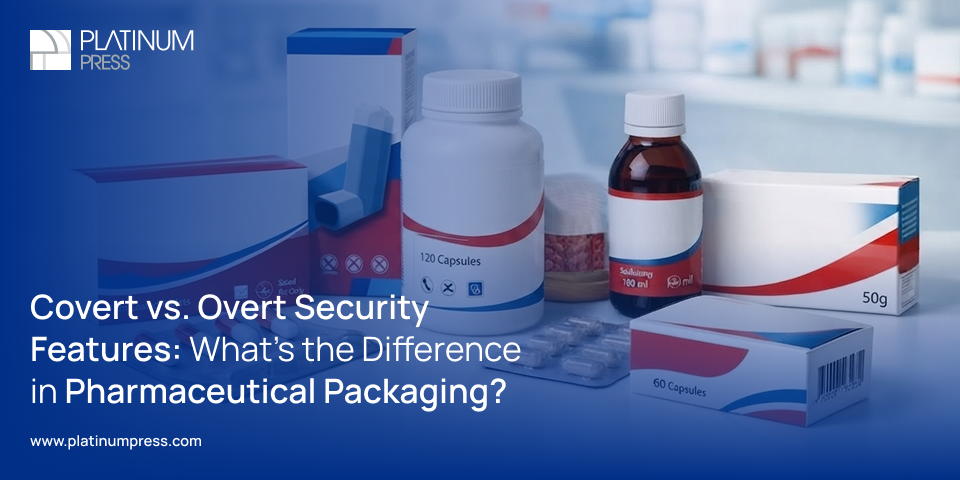
Covert vs Overt Security Features: What’s the Difference in Pharmaceutical Packaging?
Counterfeit pharmaceuticals continue to pose one of the greatest challenges to the global healthcare industry. According to the World Health Organization (WHO), an estimated one in ten medical products in low- and middle-income countries are substandard or falsified, creating significant risks for patient safety and public health. As counterfeiters become more sophisticated, pharmaceutical manufacturers are implementing […]
Why Pharmaceutical Counterfeiting Is Increasing and How Packaging Can Help Prevent It
Counterfeit pharmaceuticals have become one of the fastest-growing threats facing the global healthcare industry. While counterfeit products have existed for decades, today’s counterfeiters are becoming increasingly sophisticated. Advances in printing technology, global e-commerce, and complex international supply chains have made it easier to produce packaging that closely resembles authentic pharmaceutical products. For pharmaceutical manufacturers, protecting […]
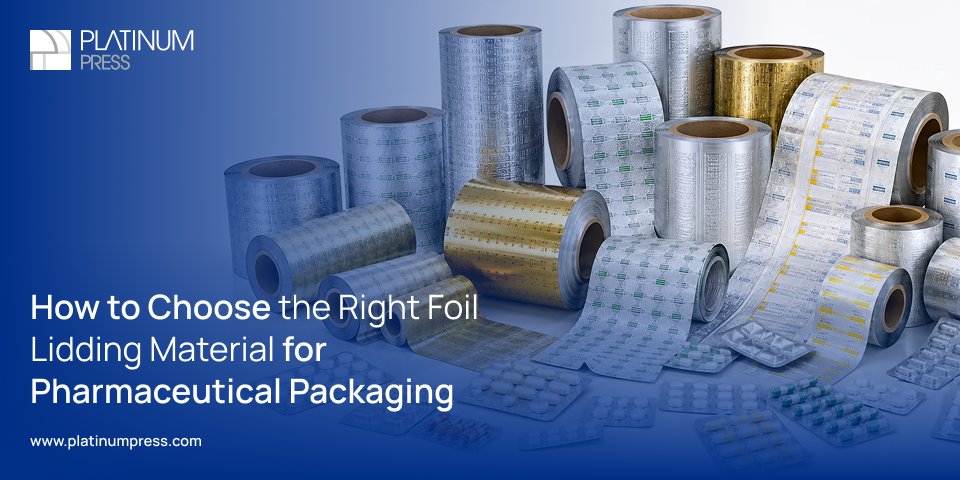
How to Choose the Right Foil Lidding Material for Pharmaceutical Packaging
Foil lidding plays a critical role in protecting pharmaceutical products. Whether used for unit dose packaging, diagnostic kits, medical devices, or healthcare products, the lidding material must do far more than seal the package. It must protect product integrity, maintain barrier performance, support manufacturing efficiency, and meet regulatory requirements throughout the product’s lifecycle. When manufacturers […]
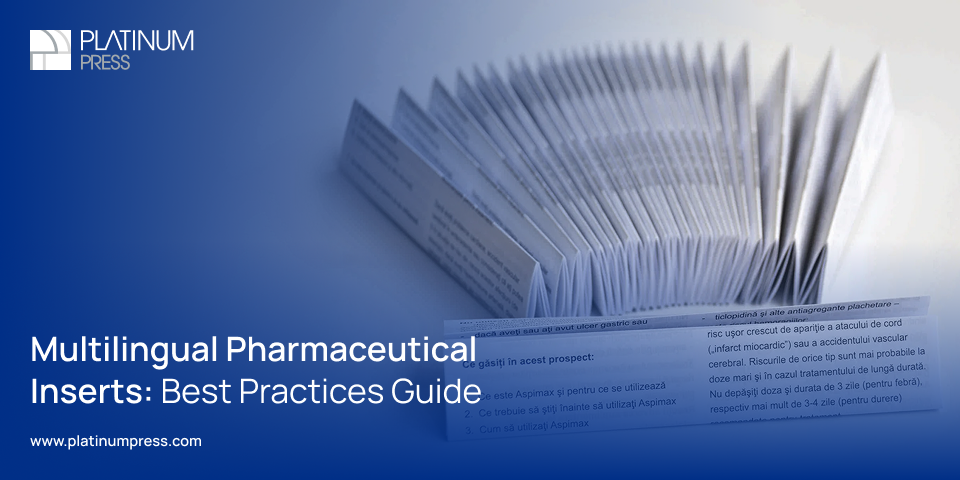
Multilingual Pharmaceutical Inserts: Best Practices Guide
Modern medications often include extensive prescribing information, dosage instructions, safety warnings, storage requirements, and regulatory disclosures. Providing accurate multilingual product information without compromising readability has become one of the biggest challenges in today’s pharma packaging industry. Success requires far more than simply fitting additional text onto a page. Effective Multilingual packaging depends on thoughtful document […]
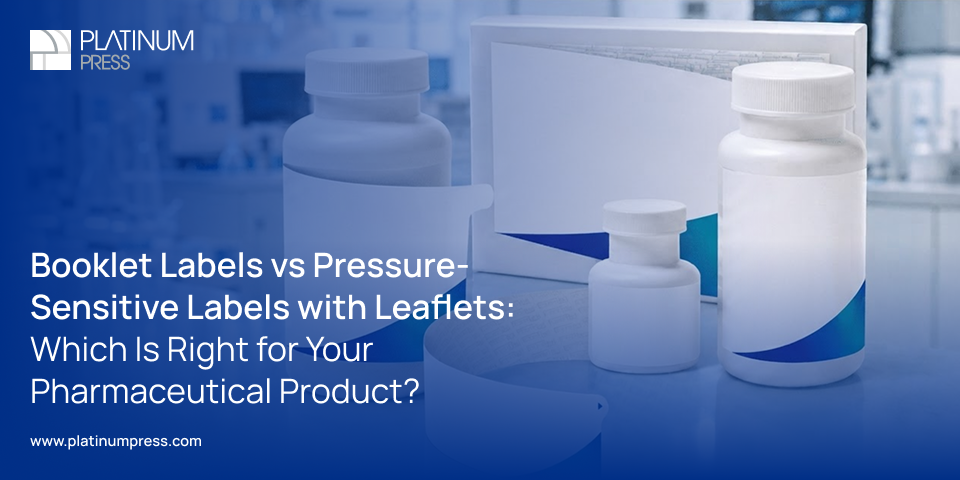
Booklet Labels vs Pressure Sensitive Labels with Leaflets: Which Is Right for Your Pharmaceutical Product?
Regulatory content continues to expand with detailed instructions for use, multiple languages, safety information, and patient education materials. The challenge for pharmaceutical manufacturers is finding enough space to communicate all of this information without compromising packaging efficiency or the patient experience. While both approaches can successfully meet regulatory requirements, each offers distinct advantages depending on […]
Best Packaging and Printing Companies in the USA (2026 Guide)
Packaging is often the first physical thing a customer touches before they ever touch the product itself — and in regulated industries like pharma, medical devices, and personal care, it’s also the last line of defense for safety and compliance. Picking the right packaging and printing company in the USA means balancing print quality, regulatory […]
Best Healthcare Packaging Printing Companies in the USA (2026 Guide)
Healthcare packaging printing sits at an uncomfortable intersection: it has to be beautiful enough to build brand trust on a shelf, and precise enough that a nurse, caregiver, or patient never misreads a dosage instruction. Few industries demand that combination of design sensitivity and zero-defect manufacturing in the same breath. So when a healthcare or […]
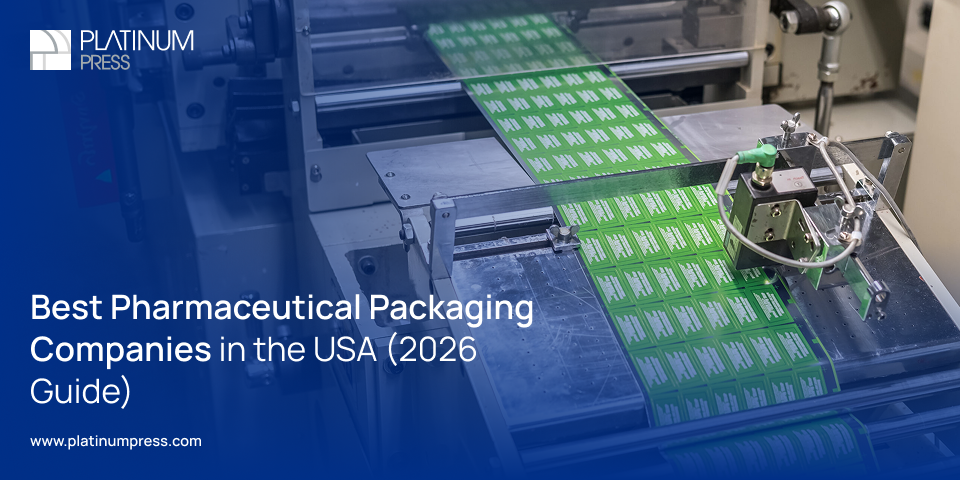
Best Pharmaceutical Packaging Companies in the USA (2026 Guide)
If you’ve ever held a prescription bottle and trusted, without thinking twice, that the label was accurate and the carton would protect what’s inside — you’ve experienced the quiet, exacting work of pharmaceutical packaging. It’s a field with almost zero margin for error: a misprinted dosage line or a compromised seal isn’t a cosmetic flaw, […]
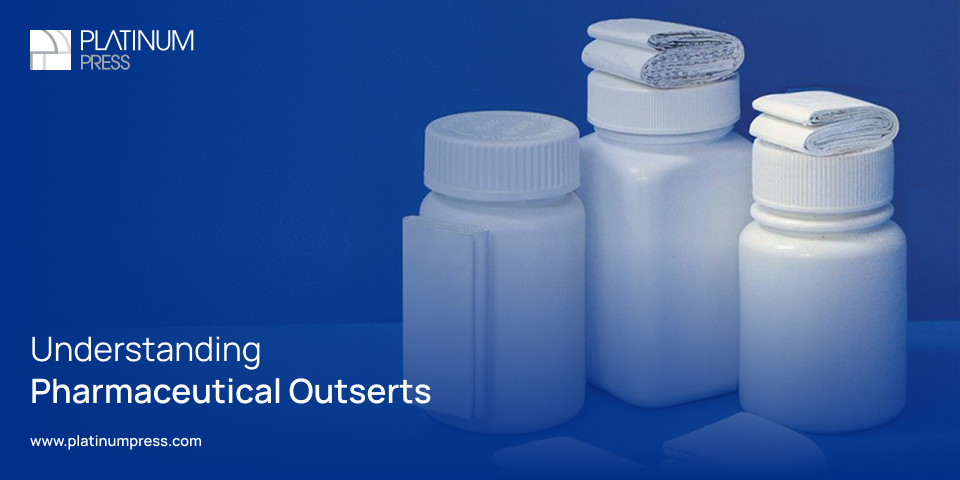
Understanding Pharmaceutical Outserts?
As pharmaceutical products become more complex, so do the packaging requirements that accompany them. Today’s medications often require extensive instructions, safety information, regulatory disclosures, and multilingual content. While labels and cartons communicate essential product information, they rarely provide enough space to accommodate everything required. As regulations continue evolving, manufacturers are expected to provide more information […]
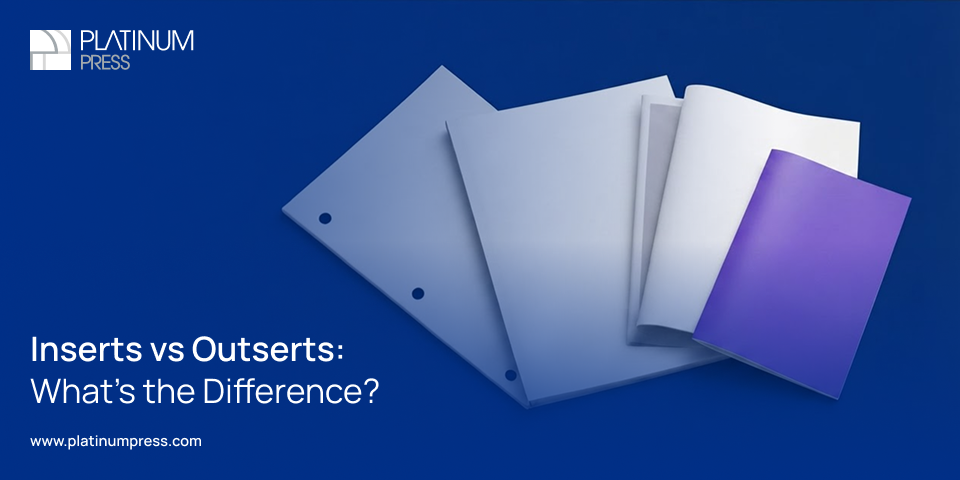
Inserts vs Outserts: What’s the Difference?
The terms pharmaceutical inserts and pharmaceutical outserts are frequently used interchangeably, but they describe two different pharmaceutical literature formats. While both are designed to communicate important product information, they serve different purposes within modern pharma packaging. Today, many pharmaceutical packaging companies rely on advanced literature production to provide patients and healthcare professionals with accurate, accessible […]

Why Location Matters When Choosing a Pharmaceutical Packaging Supplier
When pharmaceutical companies evaluate a packaging supplier, the conversation typically focuses on quality systems, certifications, regulatory compliance, and cost. These are all critical factors, but another consideration can have a significant impact on operations: location. Where your packaging supplier manufactures and ships from can influence everything from lead times and freight costs to inventory strategy […]
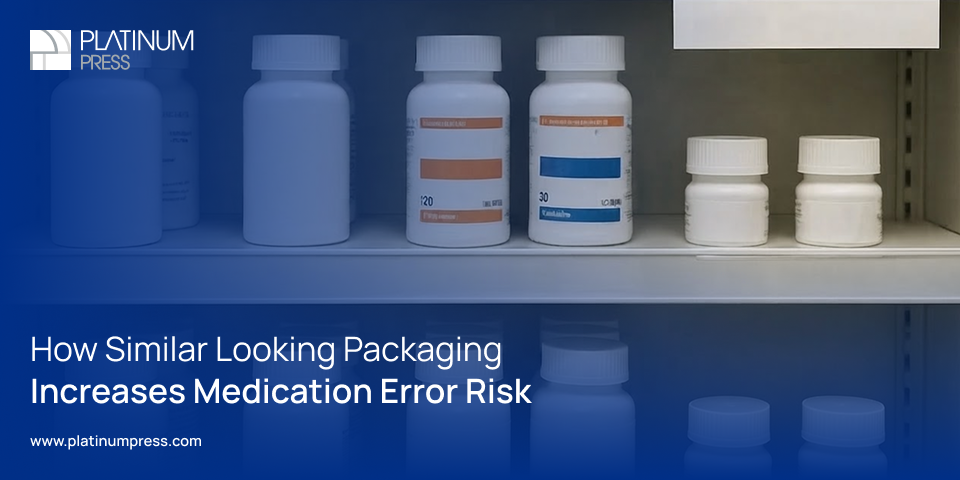
How Similar Looking Packaging Increases Medication Error Risk
Healthcare professionals, pharmacists, caregivers, and patients rely heavily on packaging to identify products quickly and accurately. When labels, cartons, or product presentations appear too similar, the risk of confusion increases, especially in fast-paced healthcare environments. Effective medication errors prevention begins long before a medication reaches the patient, and packaging is one of the first safeguards […]
Extractables and Leachables in Pharmaceutical Packaging and Why Material Selection Matters
In pharmaceutical packaging, safety goes far beyond the drug product itself. Materials used in labels, cartons, inks, coatings, laminations, and adhesives may also influence product protection and patient safety. For companies evaluating Pharmaceutical Printing Solutions, material chemistry is becoming as important ass print clarity, durability, and regulatory accuracy. One key area of focus is extractables […]
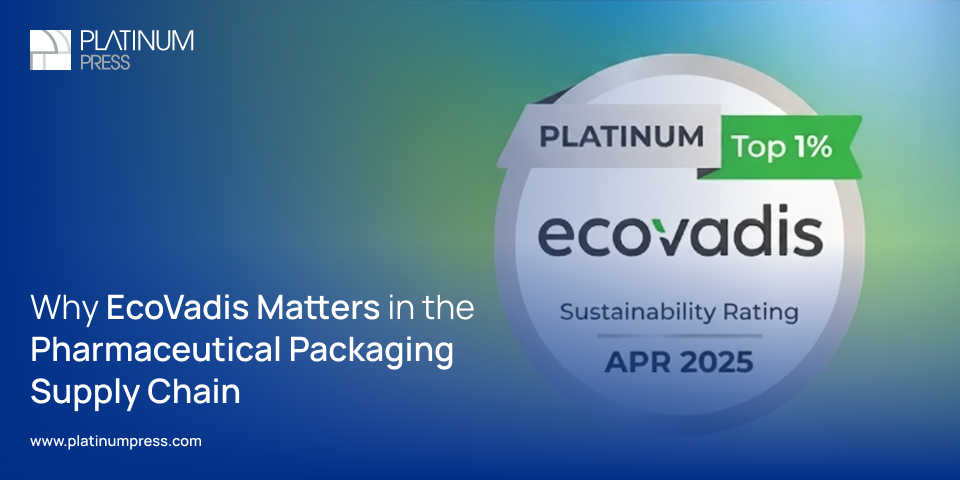
Why EcoVadis Matters in the Pharmaceutical Packaging Supply Chain
In today’s pharmaceutical industry, sustainability is no longer viewed as a secondary initiative. It has become a critical part of supplier qualification, procurement strategy, risk management, and long-term business continuity. For companies evaluating Pharmaceutical Printing Solutions, environmental and social performance now sits alongside quality, regulatory compliance, delivery, and cost. As pharmaceutical manufacturers face growing pressure […]
Digital vs Offset or Flexography in Pharmaceutical Packaging
There is no single best printing method for pharmaceutical packaging. The right choice depends on volume, complexity, and regulatory considerations. Understanding when to use digital printing versus offset or flexographic printing allows pharmaceutical brands to balance flexibility, cost efficiency, and compliance. When Digital Printing Makes Sense? Digital printing is well-suited for: Small to medium run volumes […]

Achieving Tight Color Tolerances in Pharmaceutical Carton Printing
Color in pharmaceutical packaging is not just about brand aesthetics. It often serves a functional purpose. Different strengths, formulations, or therapeutic categories may be differentiated by pharmaceuticals colors. Inconsistent color can create confusion and potentially lead to drug mix-ups. Achieving tight color tolerance in pharmaceutical printing requires process control, calibration, and disciplined monitoring. Without strict color quality control, discrepancies in color can have serious […]
How High Resolution 1200 x 1200 Printing Improves Pharmaceutical Label Clarity
In pharmaceutical labeling, clarity is not optional. It is regulated. Dosage instructions, warnings, storage conditions, and product identifiers must be readable, consistent, and precise. As label content becomes more dense and multilingual, pharmaceutical printing resolution plays a critical role in ensuring information remains clear and compliant. Pharmaceutical label printing with high resolution significantly improves legibility, detail, and consistency in pharmaceutical labels. Why Resolution Matters in […]
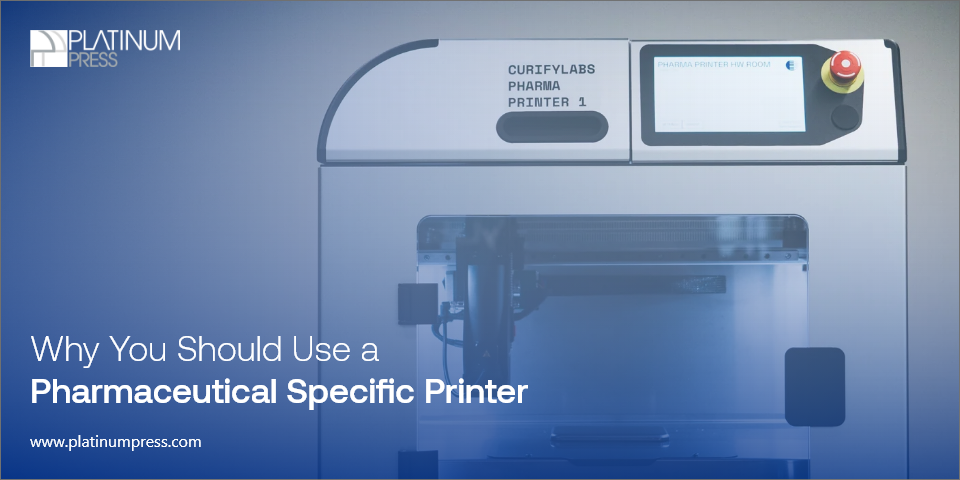
Why You Should Use a Pharmaceutical-Specific Printer?
Not every printer is built for pharmaceutical work. Many commercial and Consumer Packaged Goods (CPG) printers can produce attractive packaging. But pharmaceutical printing operates under a different level of scrutiny, documentation, and risk. In this environment, printing is not just about appearance. It is about compliance, control, and patient safety. Choosing a pharmaceutical-specific printer is a risk management decision, […]
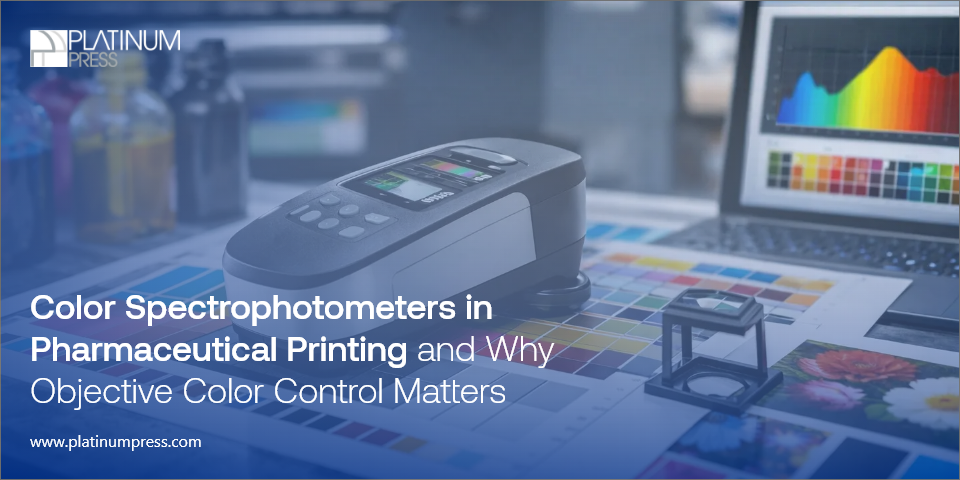
Color Spectrophotometers in Pharmaceutical Printing and Why Objective Color Control Matters
In pharmaceutical printing, color is not just about appearance. It is a controlled quality attribute. Color spectrophotometers are an essential tool for ensuring that the color quality of printed packaging components meets strict regulatory requirements. These color measurement instruments eliminate subjectivity and help ensure consistency throughout the production process. Consistent color helps differentiate products, maintain brand recognition, and support accuracy across packaging lines. […]
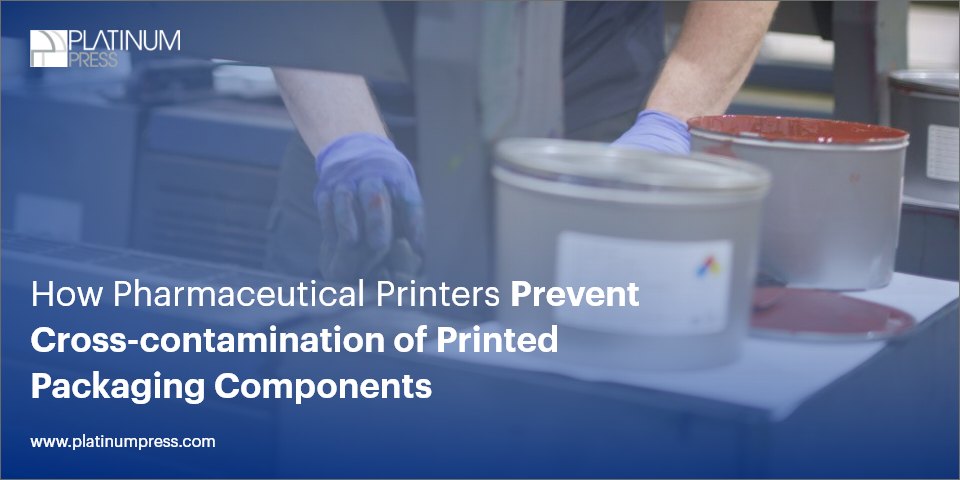
How Pharmaceutical Printers Prevent Cross-Contamination of Printed Packaging Components
In pharmaceutical printing, preventing cross-contamination is a critical quality and regulatory requirement. Printed packaging components such as labels, cartons, and literature contain regulated product information and must be produced under strict controls to prevent mix-ups, carryover, or unintended use of materials from previous jobs. In both pharma printing and broader pharma packaging printing, even a minor lapse in process control can create serious compliance […]
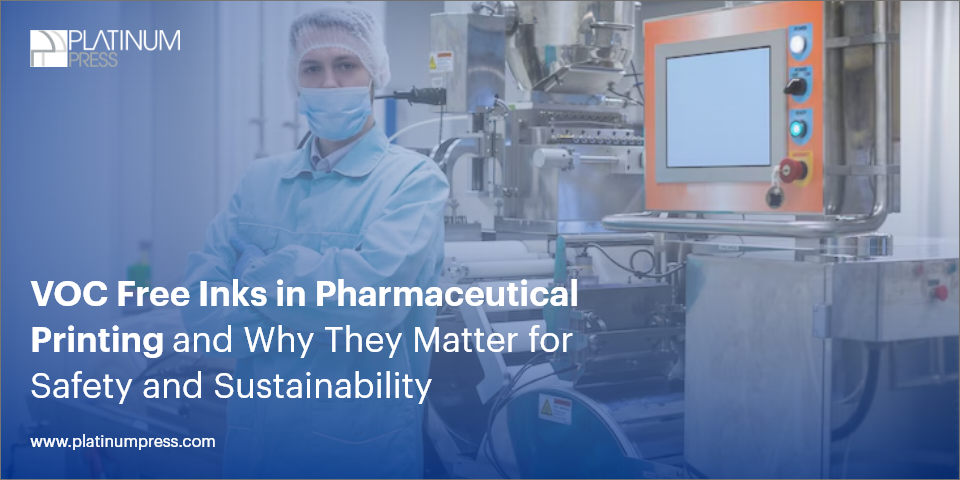
VOC-Free Inks in Pharmaceutical Printing and Why They Matter for Safety and Sustainability
In pharmaceutical printing, material selection extends far beyond appearance and performance. Inks, coatings, and substrates must meet strict safety, regulatory, and quality expectations. As sustainability and chemical transparency become increasingly important across regulated industries, VOC free inks are emerging as a critical advancement in pharmaceutical printed packaging. Today, pharmaceutical brands are increasingly evaluating eco friendly printer ink, sustainable ink, and advanced sustainable printing […]

SGS & Co Certification and Why It Matters for Retail Ready Packaging
If you are selling products into major retail chains such as CVS and Walgreens, printer qualification is not optional. It is a mandatory requirement. Retailers rely on consistent, shelf-ready execution across thousands of stores, and packaging performance is a critical part of that expectation. National retailers enforce strict packaging certification standards to ensure uniformity across every shelf, […]
G7 Master Qualification From Idealliance and Why Color Accuracy Is Vital in Pharmaceutical Printing
In pharmaceutical printing, color is not a design preference. It is a controlled quality attribute. Packaging color plays a critical role in product identification, brand consistency, regulatory confidence, and patient safety. Even small variations in color can raise concerns during audits, create confusion in the marketplace, or trigger costly reprints. G7 Master Qualification from Idealliance is the industry’s gold standard […]
What Is a Certificate of Conformance and Why Is It Important in Pharmaceutical Printing
In pharmaceutical packaging, documentation is just as critical as the printed components themselves. Labels, cartons, and printed literature must meet approved specifications, and pharmaceutical companies must be able to prove that they do. This is where a certificate of conformance plays an essential role. This article explains what is a certificate of conformance, why it matters in pharmaceutical printing, and how it supports regulatory compliance, quality […]
Inline Vision Inspection and Why 100 Percent Inspection Is Critical in Pharmaceutical Printing
In pharmaceutical packaging, accuracy is not negotiable. Printed components such as labels, cartons, and literature carry regulated information that directly impacts product identity, dosing, and patient safety. Even minor defects can lead to serious regulatory consequences, including recalls and shipment delays. Inline vision inspection plays a critical role in preventing these risks. This article explains what inline vision inspection is, why 100% inspection is essential in pharmaceutical printing, and how Platinum […]
What ISO 9001:2015 Means for Pharmaceutical Printing Partners
Quality in pharmaceutical printing is not achieved through inspection alone. It requires structured systems, leadership accountability, and continuous improvement. ISO 9001:2015 provides the framework that supports these objectives. This article explains what ISO 9001:2015 means in the context of pharmaceutical printing and how Platinum Press applies this standard to deliver consistent, reliable results as an ISO 9001 certified company serving […]
Cold Foil in Pharmaceutical Packaging and How Platinum Press Integrates It Into Your Design
Pharmaceutical packaging must meet strict regulatory requirements while also supporting brand recognition and product differentiation. While accuracy, legibility, and consistency are essential, visual design elements can play a meaningful role in how products are identified and trusted. Cold foil printing allows pharmaceutical brands to add refined metallic accents without compromising compliance. This article explains what cold foil is, why […]
What cGMP Compliance Means for Pharmaceutical Printing and Why It Matters
In pharmaceutical packaging, printed components such as labels, cartons, and inserts are not simply supporting materials. They are regulated components of the drug product itself. cGMP compliance is a critical requirement when selecting a pharmaceutical printing partner, particularly for organizations relying on accurate medical printing and pharmaceutical labeling to protect patient safety. This article explains what cGMP compliance means in pharmaceutical […]
What Is Pharmaceutical Packaging? Complete Guide for Healthcare Brands
Pharmaceutical packaging plays a critical role in ensuring patient safety, regulatory compliance, and product integrity. For healthcare brands, the packaging of pharmaceutical products is more than just a protective layer; it’s a system that supports dosage accuracy, branding, supply chain efficiency, and compliance with strict FDA standards. In today’s highly regulated healthcare landscape, choosing the […]
Medical Device Packaging: Top Compliance Challenges Explained
The medical device industry operates under some of the strictest regulatory standards in the world, and packaging plays a vital role in ensuring patient safety and regulatory compliance. Unlike consumer goods, medical device packaging must meet rigorous requirements for sterility, traceability, and usability. From medical device packaging design to the choice of medical device packaging […]